Fruit and vegetables - benefits

Fruit and vegetables are an important part of your daily diet. They contain vitamins and minerals, and plant chemicals called phytochemicals. Fruit and vegetables can help to protect the body agai...

This is default featured slide 2 title

Go to Blogger edit html and find these sentences.Now replace these sentences with your own descriptions.This theme is Bloggerized by Lasantha Bandara - Premiumbloggertemplates.com.

This is default featured slide 3 title

Go to Blogger edit html and find these sentences.Now replace these sentences with your own descriptions.This theme is Bloggerized by Lasantha Bandara - Premiumbloggertemplates.com.

This is default featured slide 4 title

Go to Blogger edit html and find these sentences.Now replace these sentences with your own descriptions.This theme is Bloggerized by Lasantha Bandara - Premiumbloggertemplates.com.

This is default featured slide 5 title

Go to Blogger edit html and find these sentences.Now replace these sentences with your own descriptions.This theme is Bloggerized by Lasantha Bandara - Premiumbloggertemplates.com.

Showing posts with label 10 health tips. Show all posts

10 tips for being medicinewise


10 tips for being medicinewise

medicinewise, medicine wise, 10 health tips, better health, healthy lifestyle, Healthy living, mental health recovery, weekly exercise, stress, medicine ,

Being 'medicinewise' will help you make better health decisions and get the most benefit from your  medicines. Always ask 'why' before taking any medicine. It is important to know what you’re taking and how it could affect you – and whether a medicine is the best option for you.


Here are some tips to help you become ‘medicinewise’.

medicinewise, medicine wise, 10 health tips, better health, healthy lifestyle, Healthy living, mental health recovery, weekly exercise, stress, medicine ,

  1. Know it’s a medicine. Medicines don’t just come on prescription – they can also be bought over the counter from the pharmacy, supermarket or other store, or online. Your medicines may include conventional medications as well as herbal remedies, vitamins, minerals and nutritional supplements. They may come in many forms such as tablets, creams, lotions, drops and inhalers.
  2. Find the active ingredient in your medicine. Most medicines have two names: the active ingredient and the brand name. Knowing the active ingredient will help you avoid confusing your medicines and making mistakes. It is easy to accidentally double dose if you use different brands containing the same active ingredient.
  3. Ask the right questions. It is important to get the information you need to make good decisions about your health and medicines. Get your answers from a reliable source – when searching the Internet, look for the HealthInsite and HONcode logos. You can always ask your doctor or pharmacist if you’re unsure about anything.

medicinewise, medicine wise, 10 health tips, better health, healthy lifestyle, Healthy living, mental health recovery, weekly exercise, stress, medicine ,

  1. Read the consumer medicine information. Ask your doctor or pharmacist for a consumer medicine information (CMI) leaflet. This is a good starting point for learning more about a medicine.
  2. Check the label. Read the packaging for instructions on taking the medicine and for the expiry date. Dispose of expired or unused medicines safely by returning them to any pharmacy.
  3. Tell your doctor, pharmacist or other health professional about all of the medicines you are taking. All medicines have possible risks or unwanted side effects, regardless of where you get them or what form they are in. Make sure you let everyone involved in your healthcare know what you are taking, including complementary and alternative treatments.
medicinewise, medicine wise, 10 health tips, better health, healthy lifestyle, Healthy living, mental health recovery, weekly exercise, stress, medicine ,
  1. Plan your medicines routine. Know what to take when and refill your prescriptions before they run out.
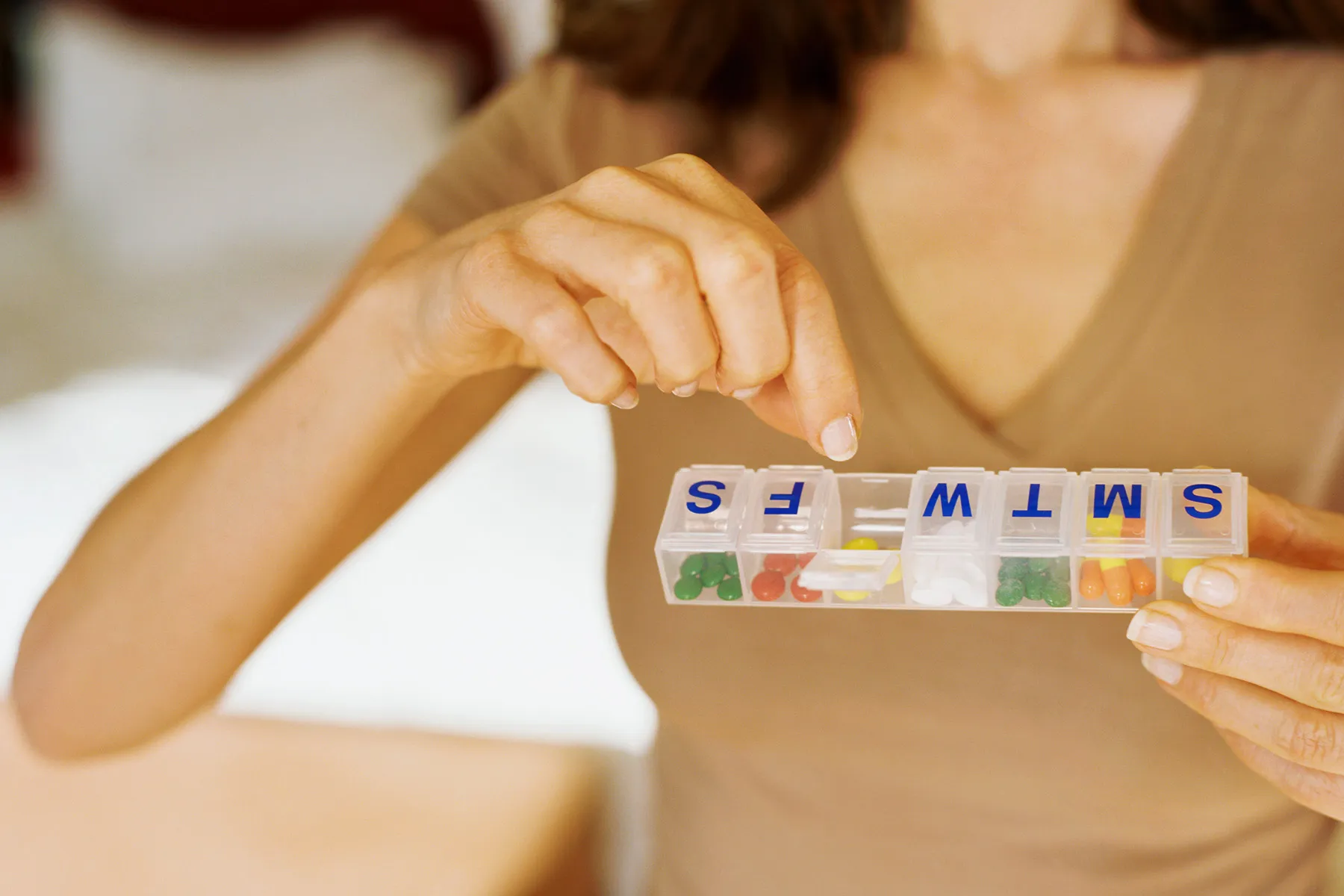
  2. Use aids to help you remember. Ask your pharmacist about aids like Webster-paks or Dosette boxes if you have trouble remembering how to take your medicines.
  3. Keep a list of all of your medicines. This will help you keep track of your medicines. Take the list whenever you visit your doctor or other health professional, when you go on holidays or if you go to hospital.
medicinewise, medicine wise, 10 health tips, better health, healthy lifestyle, Healthy living, mental health recovery, weekly exercise, stress, medicine ,

  1. Don’t share medicines. It is important not to give other people your medicine or to use someone else’s. What’s right for you may not be right for someone else and vice versa. 
medicinewise, medicine wise, 10 health tips, better health, healthy lifestyle, Healthy living, mental health recovery, weekly exercise, stress, medicine ,

 Health Recovery

10 tips for active seniors


10 tips for active seniors


Regular exercise can keep you fit and help you stay independent as you age. Other benefits may include faster recovery from illness, reduced risk of chronic disease and better management of existing medical problems such as osteoarthritis .... this means must be we think a good in health recovery

Here are some tips for staying active in your senior years. 

  1. Choose activities you find interesting and manageable. You are more likely to stick to an exercise routine if it’s fun.

  1. Check with your doctor before you start a new exercise routine. Some activities may not be appropriate if you have been sedentary for a long time or suffer from obesity or a chronic illness.

  1. Start slowly and aim for small improvements. Be guided by your doctor about how long and how frequently to exercise. Keep track of your progress in a training diary for added motivation.

  1. Make exercise a social event. Invite friends along or sign up for a class so you can meet new people while getting fit.

  1. Improve your flexibility. Suggestions include yoga, stretching exercises, lawn bowls or dancing.


  1. Build muscle tissue with strength training. For example, you could lift weights or perform a modified form of calisthenics.

  1. Look after your bones. Weight-bearing exercise can reduce your risk of bone loss and osteoporosis as you age.

  1. Improve your heart and lung fitness. Opt for moderate intensity exercise for maximum benefit. As a general rule, aim for activity that means you breathe hard but are not left feeling breathless. 


  1. Reduce your risk of falls. Include some balance and coordination exercises in your weekly exercise routine. Good options include tai chi, balancing on one leg and heel to toe stands.

  1. Build exercise into your daily routine. Walk to the shops or bus, spend more time in the garden or offer to walk a neighbour’s dog.


10 tips for a healthier heart

10 health tips, alcohol, better health, chocolate, fitness, good heart, health recovery, healthier heart, healthy lifestyle, Healthy living, heart, nhs, recovery health, smoking, stress, weekly exercise,

Are you concerned about your heart health?

Here are some tips to help you look after your heart. 
  
10 health tips, alcohol, better health, chocolate, fitness, good heart, health recovery, healthier heart, healthy lifestyle, Healthy living, heart, nhs, recovery health, smoking, stress, weekly exercise,

  1. Quit smoking now. Twelve months after quitting, your increased risk of dying from heart disease will be half that of a continuing smoker.
  2. Improve your diet. Include wholegrain cereals, legumes, fruits, vegetables, seeds and nuts in your diet and lower your risk of heart disease.
  3. Exercise regularly. Walk briskly for 30 minutes a day and reduce your risk of heart attack by one third.
  4. Maintain your friendships. People with supportive friendship networks are at less risk of heart disease.
  5. Eat more fish. Oily fish like tuna, sardines or salmon are rich in omega-3 fatty acids and will boost your good cholesterol. 
  6. Switch your chocolate choice. Switch from milk chocolate to dark chocolate. When eaten in moderation, dark chocolate is good for your heart.
  7. Limit your alcohol. It is recommended you Don't drink alcohol this is better for your heart. 
  8. Avoid salty and high sodium foods. Don’t add salt when preparing or eating your meals.
  9. Have a diabetes test. Uncontrolled diabetes can damage your artery walls and contribute to heart disease.
  10. Make fitness fun. Choose activities that combine exercise and socialising like pilates, water aerobics, dancing, cycling or yoga.
                         10 health tips, alcohol, better health, chocolate, fitness, good heart, health recovery, healthier heart, healthy lifestyle, Healthy living, heart, nhs, recovery health, smoking, stress, weekly exercise,   


 Health Recovery