Fruit and vegetables - benefits

Fruit and vegetables are an important part of your daily diet. They contain vitamins and minerals, and plant chemicals called phytochemicals. Fruit and vegetables can help to protect the body agai...

This is default featured slide 2 title

Go to Blogger edit html and find these sentences.Now replace these sentences with your own descriptions.This theme is Bloggerized by Lasantha Bandara - Premiumbloggertemplates.com.

This is default featured slide 3 title

Go to Blogger edit html and find these sentences.Now replace these sentences with your own descriptions.This theme is Bloggerized by Lasantha Bandara - Premiumbloggertemplates.com.

This is default featured slide 4 title

Go to Blogger edit html and find these sentences.Now replace these sentences with your own descriptions.This theme is Bloggerized by Lasantha Bandara - Premiumbloggertemplates.com.

This is default featured slide 5 title

Go to Blogger edit html and find these sentences.Now replace these sentences with your own descriptions.This theme is Bloggerized by Lasantha Bandara - Premiumbloggertemplates.com.

Showing posts with label Physical activity. Show all posts

Weight loss - a healthy approach


Weight loss - a healthy approach

Weight management, food and fitness, fitness, diet, Healthy living, Weight exercise, basics of mental health recovery, Physical activity, Food, Weight loss, healthy approach, Healthy Diet, healthy lifestyle, lose Weight , diet healthy ,


Summary

Weight loss can be achieved by balancing a healthy level of physical activity with eating a nutritious diet. Crash diets, fad diets and ‘yoyo’ dieting do not help you lose weight. They can also cause stress and increase the likelihood of binge eating.

Eating a balanced, nutritious diet and being physically active is the best way to stay healthy and help reduce your risk of disease.To maintain a stable weight, your energy (kilojoule) intake needs to equal the energy you use. If you use more energy than you consume, you will lose weight. On the other hand, if you eat more than you use, you will gain weight.

The sensible answer to losing excess body fat is to make small healthy changes to your eating and exercise habits. These changes should be things that you can maintain as part of your lifestyle – that way you will lose weight and keep it off.

Don't skip meals

Skipping meals is not recommended. In fact, if you skip meals you may find you eat more when you do eat and this may lead to a larger stomach capacity. Studies show that stomach capacity can increase if large individual meals are eaten. This can then increase the amount of food you need at each meal before you feel ‘full’. This is not a reason to starve yourself if you’re trying to lose weight.

'Yoyo' diets will slow your metabolism

Weight management, food and fitness, fitness, diet, Healthy living, Weight exercise, basics of mental health recovery, Physical activity, Food, Weight loss, healthy approach, Healthy Diet, healthy lifestyle, lose Weight , diet healthy ,

Many people who need to lose weight try crash dieting, which is a short-term solution that will increase your body fat levels in the long term. Continual cycles of dieting, weight loss and weight gain are called 'yoyo' dieting. Yoyo dieting does not help you to maintain a healthy body weight. Your body responds to these periods of semi-starvation by lowering its metabolic rate.

When you lose weight, you lose fat and muscle. Muscle burns calories but fat doesn't. So, when you then stop dieting and eat normally again, your body will burn even fewer calories than before because the relative amount of muscle in your body has decreased and your metabolic rate is slower.

This kind of eating pattern can also affect your general health – just one cycle of weight loss and weight gain can contribute to an increased risk of coronary heart disease, regardless of body fat levels. That's why it's important to maintain the weight loss.

Think about when and why you overeat

Some of the factors that can lead to weight gain include:
  • Night eating
  • Social eating
  • Habitual eating.
If you can avoid unplanned or habitual eating, and keep to regular meals and snacks, this will help you to lose weight. You could also try to eat less food at each meal and increase the number of high-fibre, high-carbohydrate, low-saturated-fat meals and snacks you eat throughout the day.

You should try to find healthy ways to cope with stress or emotional upsets.

A healthier approach to food

You can lose body fat by making a few easy changes to your eating habits. It will help you lose body fat if you: 
  • Avoid yoyo diets.
  • Eat a wide variety of food from all food groups. Check that you eat from the following food groups every day – wholegrain bread and cereals, vegetables, fruit, milk and dairy, and meat, fish or legumes and where possible choose low-fat varieties.
  • Reduce your intake of foods that are high in fat, sugar and salt. Make soft drinks, lollies and snack foods an occasional 'extra'. Most adults should eat no more than one or two 'treats' a day. If you are overweight or inactive you may need to limit treats to less than one a day.
  • Try to balance an 'extra' food with extra exercise. The more energy you burn, the more treats you can afford to have. Remember, you should only add extra foods after you have covered your nutrient needs with choices from the healthier food groups.
  • Cut down on saturated fats and alcohol.
  • Try to eat more fresh foods and less processed foods.
  • Avoid using food for comfort, such as when you are upset, angry or stressed. Explore other healthy ways to cope with these feelings.
The Australian Guide to Healthy Eating includes information about how much and what types of food you need to eat to maintain a healthy weight.

Exercise is important to weight loss

Exercise prevents muscle loss. So it is important to exercise when you are losing weight. Exercise will protect your muscles and keep your metabolic rate ticking over at a healthy level. The number of people who are overweight and obese is increasing every year. This is because we have become more sedentary (inactive). For most of us, physical activity is no longer a natural part of our lifestyle so it must be structured into our daily schedule.

Get moving – it will give you energy

Some people feel too busy or too tired to exercise regularly, but exercise will actually increase your energy levels and help you to feel less tired. Exercise does not have to be overly strenuous to do any good. Even moderate amounts of physical activity of about 30 minutes a day can speed up the metabolic rate and aid weight loss.  
Weight management, food and fitness, fitness, diet, Healthy living, Weight exercise, basics of mental health recovery, Physical activity, Food, Weight loss, healthy approach, Healthy Diet, healthy lifestyle, lose Weight , diet healthy ,

The amount of energy you 'burn up' depends on your age, your gender and your activity level. Young people burn more energy than older people. Men burn more energy than women. More physically active people burn more energy than your average couch potato!

A healthier approach to exercise

The best approach to increasing the level of physical activity in your life is to take it slowly. You can increase your activity levels by simply increasing movement throughout the day. The human body is designed for movement and any physical activity brings benefits. Moderate intensity exercise – walking, gardening, cycling, and even mowing the lawn – has been shown to help reduce body fat.
                              
Other suggestions for a more active lifestyle include:
    Weight management, food and fitness, fitness, diet, Healthy living, Weight exercise, basics of mental health recovery, Physical activity, Food, Weight loss, healthy approach, Healthy Diet, healthy lifestyle, lose Weight , diet healthy ,
  • Play a sport that you enjoy.
  • Walk instead of taking the car on short trips.
  • Get off the train, bus or tram one stop early and walk the rest of the way.
  • Play more outdoor games with your children.
  • Walk the dog.
  • Take stairs instead of lifts.
  • Choose exercise activities you think are fun, rather than those you think are 'good' for you.
Weight management, food and fitness, fitness, diet, Healthy living, Weight exercise, basics of mental health recovery, Physical activity, Food, Weight loss, healthy approach, Healthy Diet, healthy lifestyle, lose Weight , diet healthy , Weight management, food and fitness, fitness, diet, Healthy living, Weight exercise, basics of mental health recovery, Physical activity, Food, Weight loss, healthy approach, Healthy Diet, healthy lifestyle, lose Weight , diet healthy , Weight management, food and fitness, fitness, diet, Healthy living, Weight exercise, basics of mental health recovery, Physical activity, Food, Weight loss, healthy approach, Healthy Diet, healthy lifestyle, lose Weight , diet healthy ,

Type of help available

 If you have been a chronic crash dieter for a number of years, you might need professional help to reintroduce you to a healthy way of eating. If you are overweight, over 40 years of age or haven't exercised regularly for a long time, check with your doctor before you start any exercise campaign. For inspiration on healthier cooking, have a look at the recipes section of the Better Health Channel.

Weight management, food and fitness, fitness, diet, Healthy living, Weight exercise, basics of mental health recovery, Physical activity, Food, Weight loss, healthy approach, Healthy Diet, healthy lifestyle, lose Weight , diet healthy ,

Where to get help

  • Your doctor
  • Dietitians Association of in your country.
  • Recipes on the Health Recovery website. 
Weight management, food and fitness, fitness, diet, Healthy living, Weight exercise, basics of mental health recovery, Physical activity, Food, Weight loss, healthy approach, Healthy Diet, healthy lifestyle, lose Weight , diet healthy ,


Things to remember

  • Yoyo dieting makes you gain more weight in the long run because it lowers your metabolism.
  • Obesity rates are on the rise because the Australian lifestyle is becoming increasingly inactive.
  • Any type of regular physical activity, no matter how moderate, can help you to lose body fat. 


Physical activity - women


Physical activity - women

fitness, Healthy living, health recovery, Physical activity, mental health, Weight exercise, weekly exercise, woman, diet

Summary

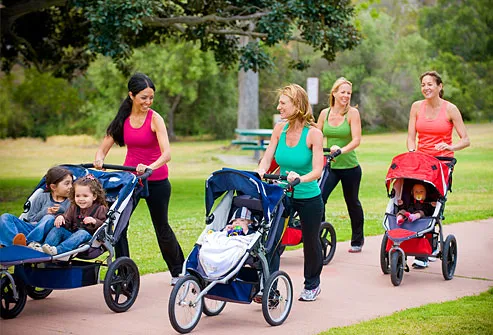
Many women find it hard to find the time to exercise due to the demands of parenting and lack of time, money or motivation. However, there are lots of ways you can incorporate exercise into your weekly schedule. A few minor changes to your daily lifestyle can also increase your physical activity level.
    Regular physical activity is vital for good physical and mental health. It helps improve your overall health and fitness, maintain a healthy weight, reduce your risk for many chronic diseases and promote good mental health.

    The 'National Physical Activity Guidelines for recommend that at least 30 minutes of moderate-intensity physical activity on most, preferably all, days is required for good health. This is the same for women and men. However, only 54 per cent of  women meet these guidelines.

    Some of the barriers women face include caring responsibilities, body image and perceptions of safety.


    Reasons why women exercise


    Women who do exercise regularly say they do so to:
    • Improve their physical fitness
    • Have fun
    • Manage their weight.

    Physical activity barriers


    Common exercise barriers for women include:
    • Lack of time – many women juggle child-rearing, household duties and paid work, and don't find time for themselves.
    • Lack of motivation – some women say they don’t feel motivated without a training partner. Others think that, to be useful, exercise must be painful, sweaty and gruelling (which isn’t true).
    • Parenting demands – many women fulfil multiple care-giving responsibilities, including for children and older relatives, and take responsibility for meal preparation and cleaning.
    • Lack of energy – fatigue is a by-product of a busy lifestyle. Working mothers are often tired.
    • Health conditions – older women are more likely to have a chronic health condition (for example, arthritis) that limits their participation in some forms of exercise.
    • Lack of money – women on low incomes are less likely to exercise regularly. This may be because they think that any worthwhile physical activity requires expensive equipment and expensive clothes (it doesn’t).
    • Gender stereotyping – women who believe that child rearing and domestic chores are ‘women’s work’ are less likely to take time to exercise – perhaps because they feel guilty taking time out for themselves.    

    Tips to overcome exercise barriers


    Suggestions include:
    • Lack of time – try exercise DVDs – so you can exercise whenever you have the chance. Three 10-minute bouts of physical activity over the day has the same health benefits as a continuous 30-minute session.
    • Lack of motivation – find a training partner; you could ask family or friends. You could also contact your local council or community centre for information on exercise clubs in your area. For example, you could join a local walking group. Don’t just think of gyms and jogging. You might find dancing or roller-skating fun.
    • Parenting demands – try to share child rearing and household chores with your partner or friends. Perhaps your family can help, or maybe paid childcare is an option. Ask friends if they are interested in swapping babysitting.
    • Lack of energy – regular exercise gives you the energy to better cope with the demands of daily life. If you keep this in mind, it may help you push past the tiredness during your first few of weeks of regular exercise.
    • Health problems – talk to your doctor about appropriate forms of exercise. In most cases, physical limitations don’t rule out all activities. For example, exercise in water (such as aqua-aerobics) is possible for many people with arthritis.
    • Lack of money – exercise doesn’t require expensive clothes or a gym membership. One of the most beneficial forms of exercise is also free – brisk walking. Most community centres offer a range of physical activity classes and childcare at modest prices.
    • Gender stereotyping – think about your beliefs about women’s roles. It may be that sexism is one of your barriers. (For example, the old saying, ‘Horses sweat, men perspire and women gently glow’ illustrates the stereotype that exercise isn’t appropriate for women.)

    Making the changes

    fitness, Healthy living, health recovery, Physical activity, mental health, Weight exercise, weekly exercise, woman, diet

    If you have a medical condition, are overweight, over 40 years of age or haven’t exercised regularly for a long time, see your doctor for medical advice before increasing your physical activity levels.

    Regular exercise is more likely if you plan ahead. Suggestions include:
    • Identify your barriers, such as lack of money or motivation. Think about a range of possible solutions.
    • Consider the personal beliefs that may be holding you back, such as guilt about taking time out. Challenge those beliefs. Help your family realise your needs are as important as theirs.
    • Find a support group – perhaps your partner, extended family, friends or paid childcare.
    • Find something you like to do. You’re more likely to stick with it if you choose an activity you enjoy than if you do it because it’s ‘good for you’.
    • Look through your diary for the week and make exercise ‘appointments’ with yourself.
    • Set achievable goals. Don’t fall victim to the ‘all or nothing’ mentality. If you can only find the time for one or two exercise sessions per week at the moment, congratulate yourself on this achievement. Every little bit helps and some exercise is significantly better than no exercise at all.

    Incidental exercise


    A few minor changes to your daily lifestyle can also increase your physical activity level. Suggestions include:
    • For short trips, walk instead of taking the car.
    • Get the whole family active on the weekends. The range of free activities is only limited by your imagination but could include bushwalking, cycling around the neighbourhood, swimming at the beach or playing backyard cricket.
    fitness, Healthy living, health recovery, Physical activity, mental health, Weight exercise, weekly exercise, woman, dietfitness, Healthy living, health recovery, Physical activity, mental health, Weight exercise, weekly exercise, woman, dietfitness, Healthy living, health recovery, Physical activity, mental health, Weight exercise, weekly exercise, woman, diet

    It is never too late to take up exercise


    Don’t think you’ve left it too late to start. Studies show that older people can achieve significant health benefits after just two to three months of regular exercise. As an added bonus, if you start being regularly active, your body will continue to benefit from exercise well into your 80s.

    Where to get help

    • Your doctor
    • Local community centre.

    Things to remember

    • About 39 per cent of Victorian women aren’t active enough and more than 12 per cent are completely sedentary.
    • Common exercise barriers include lack of time, lack of motivation, low income and parenting demands.
    • If you have a medical condition, are overweight, over 40 years of age or haven’t exercised regularly for a long time, see your doctor for a check-up. 

    Health Recovery